
Our journal process.
Journal Vol. 43
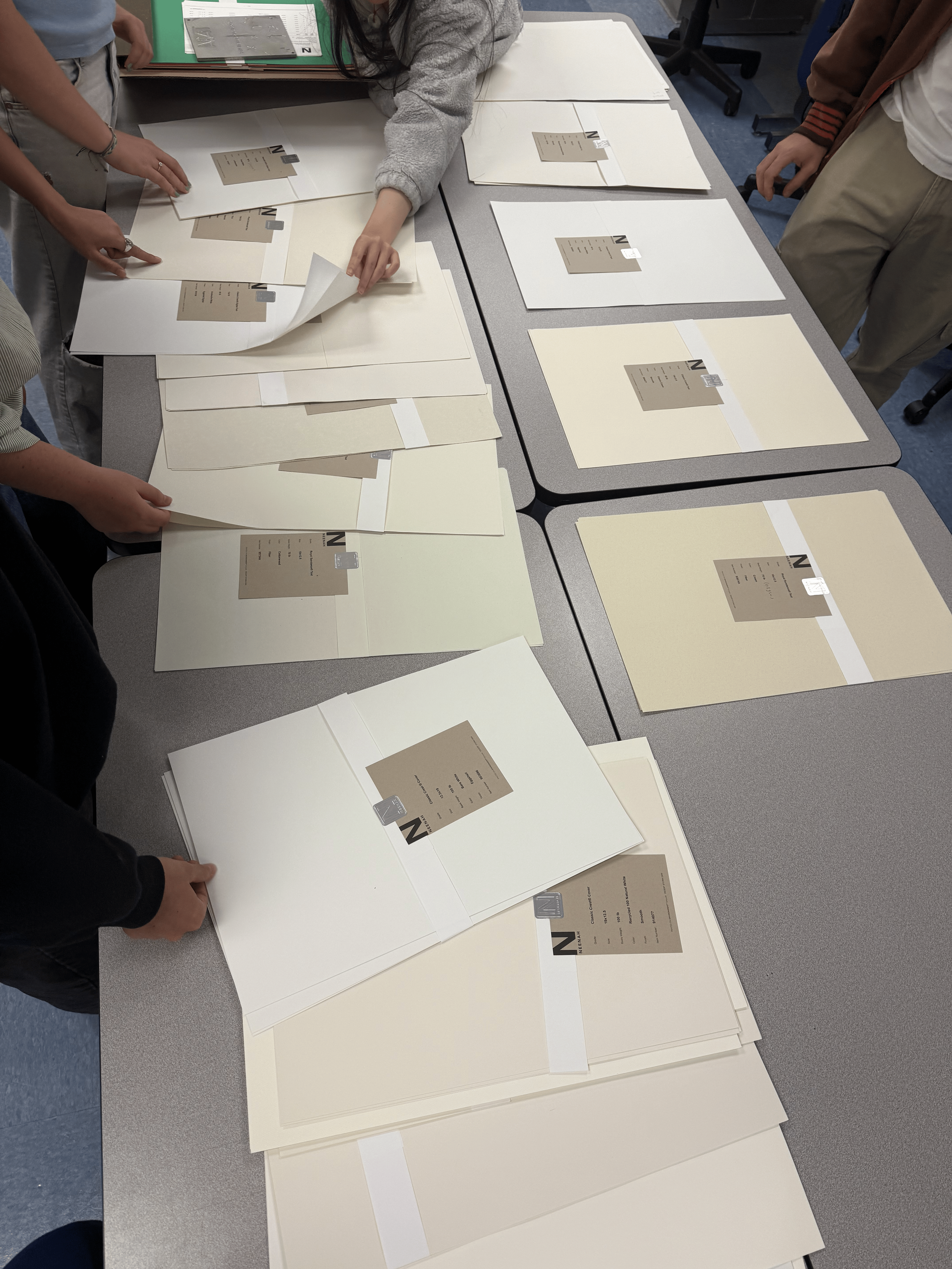
Each year, Cal Poly TAGA undergoes a 6-month long process of ideation, design, production, and preparation for the annual competition. For the 2026 journal, here is what TAGA’s process looked like:
Research

Design
Production
crosscurrents
°•°•°
crosscurrents °•°•°
Theme
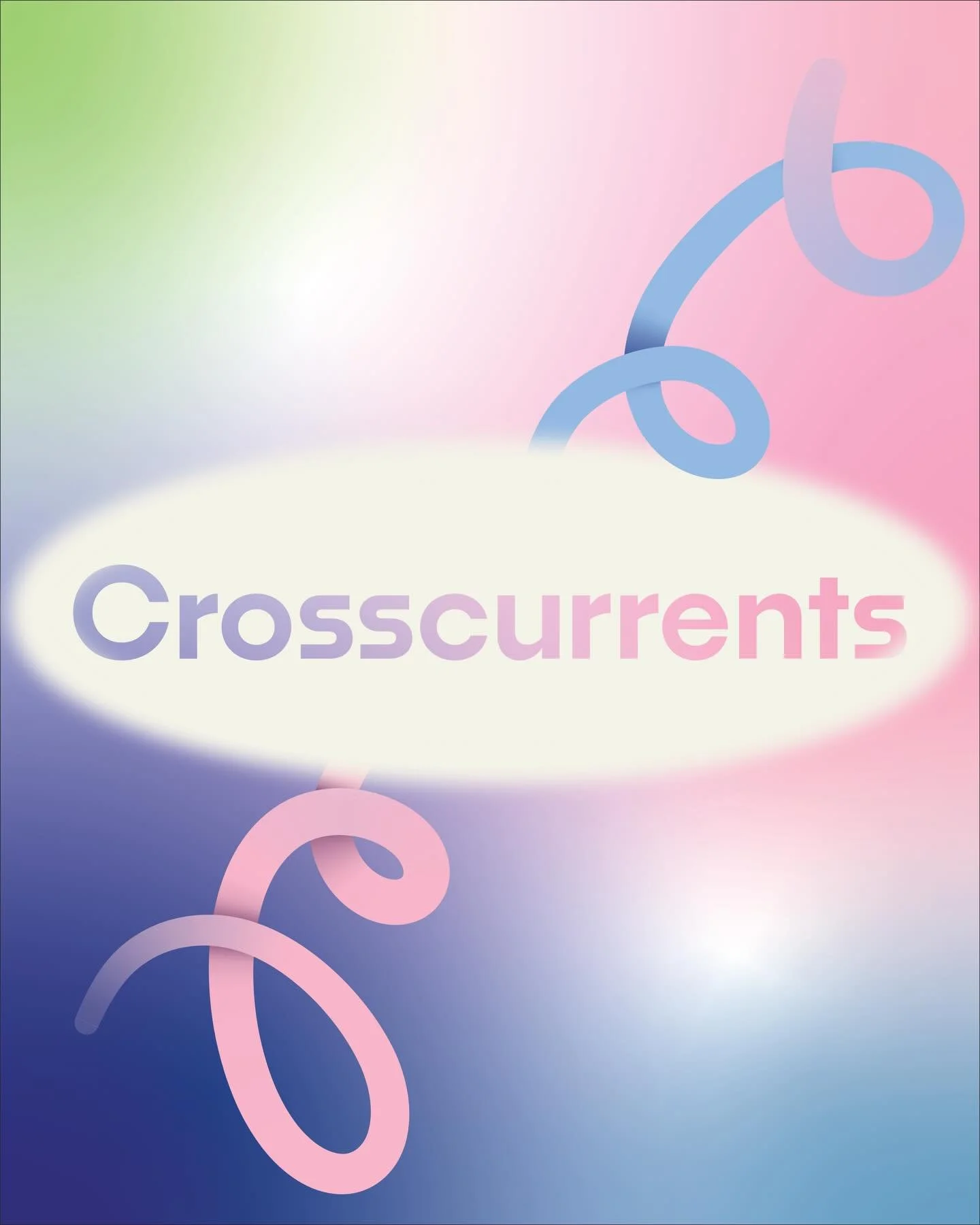
Crosscurrents represents the meeting and movement of diverse ideas where creativity, research, and social consciousness flow together to create meaningful change. It represents the dynamic flow of ideas and personal identity that shape a more connected and inclusive future.
Through this year’s journal we strive to explore themes of DEI (Diversity, Equity, and Inclusion) across disciplines, highlighting how design, technology, and communication can intersect to address real world challenges and foster a sense of community and understanding.
Design
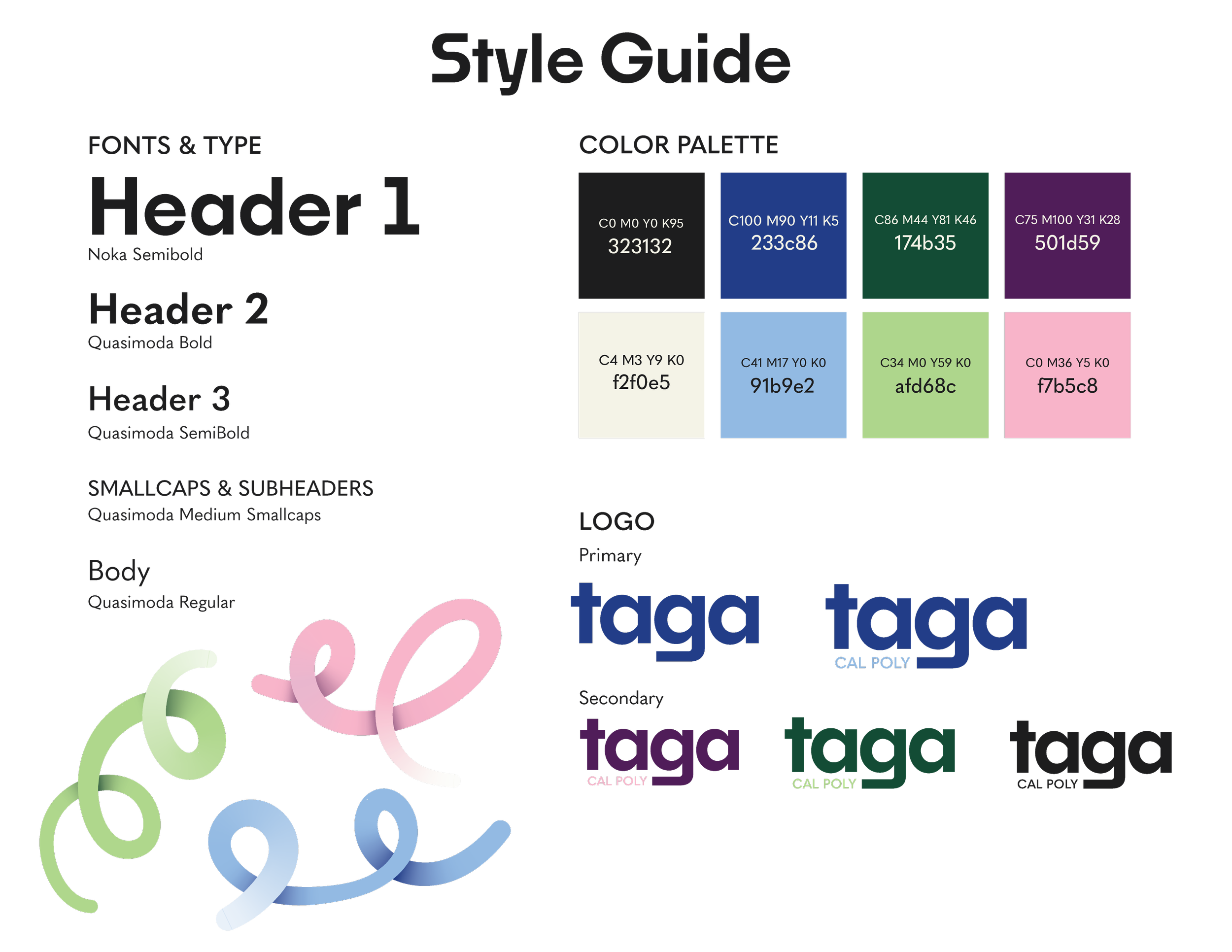
Our design system was carefully constructed to reflect our theme of Crosscurrents. We wanted to convey the kaleidoscopic flow of ideas that stem from diverse creative sources.
Through bold typefaces, striking colors, and bold, sweeping lines, our journal conveys the intersection of technology and design and how it shapes a modern landscape of creatives.
Production

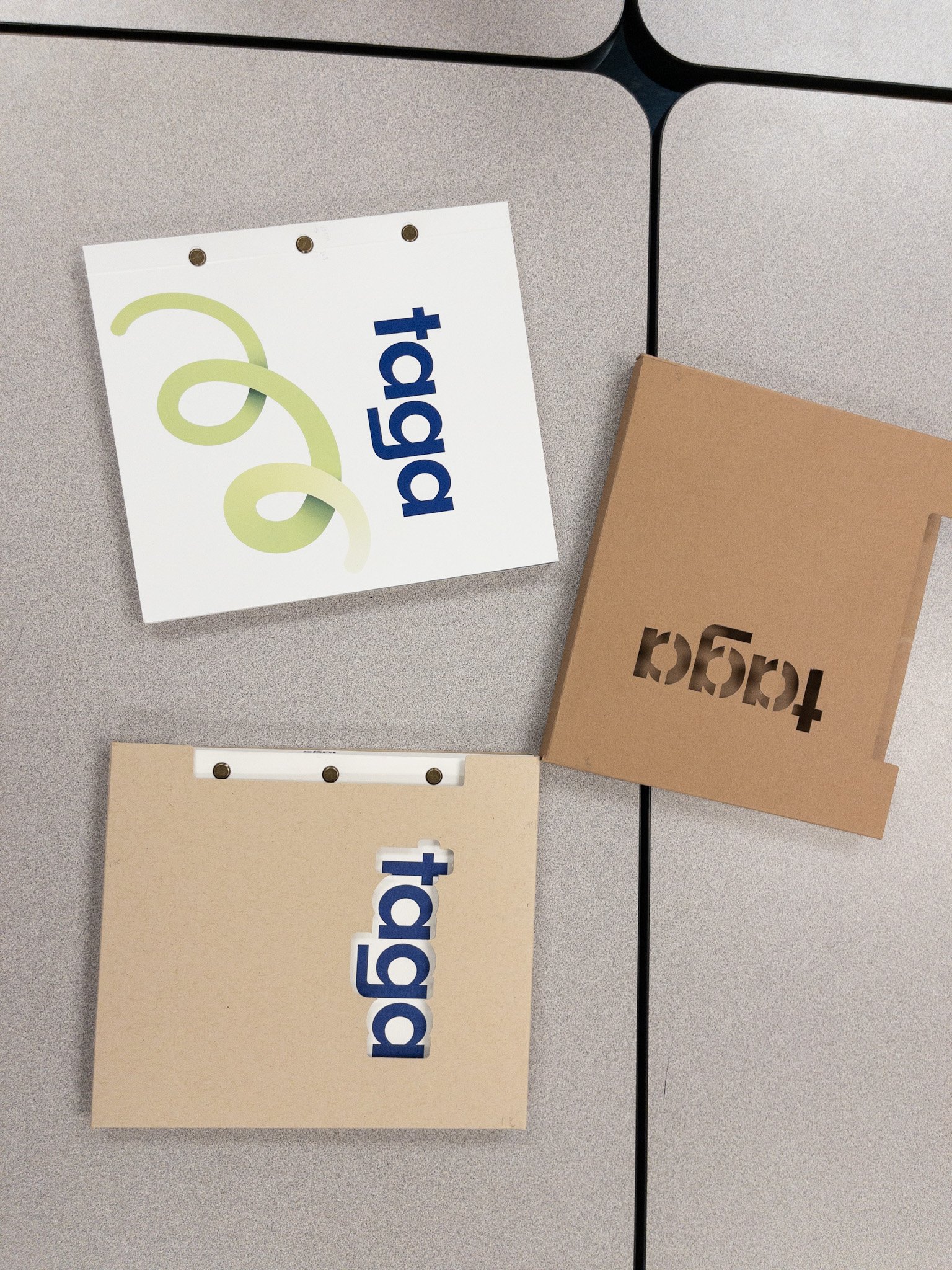
Our production process started with selecting substrates for our journal, as well as ideating packaging dielines and binding options.
For this year’s journal, we chose a unique rivet binding method and a blind emboss for our packaging. These choices were the result of careful consideration for the user experience, as each element of this year’s journal reflects our theme.
After extensive testing using our Zund digital cutter and Kluge embossing machine, the elements were finalized and production began.